
Key takeaways
- Chefchaouen was founded in 1471 and sits in the Rif Mountains of northern Morocco, home to roughly 42,786 residents (WorldAtlas).
- The medina's blue-washed lanes are the main draw, and early morning gives you the best light and the fewest crowds for photos.
- Most travelers reach Chefchaouen by road from Tangier (shorter) or Fes (longer), so a private driver makes the drive easy.
- One to two nights is enough to see the old town, walk to a viewpoint, and still feel unhurried.
Chefchaouen is a small mountain town in northern Morocco famous for its blue-painted old town, and it works best as a one or two night stop on a wider trip. This Chefchaouen travel guide covers why the blue city of Morocco is painted the way it is, the best photo spots, what to do, where to sleep and eat, and how to get there from Fes or Tangier. The town was founded in 1471 and sits in the Rif Mountains, home to around 42,786 people (WorldAtlas).
Why Is Chefchaouen Painted Blue?
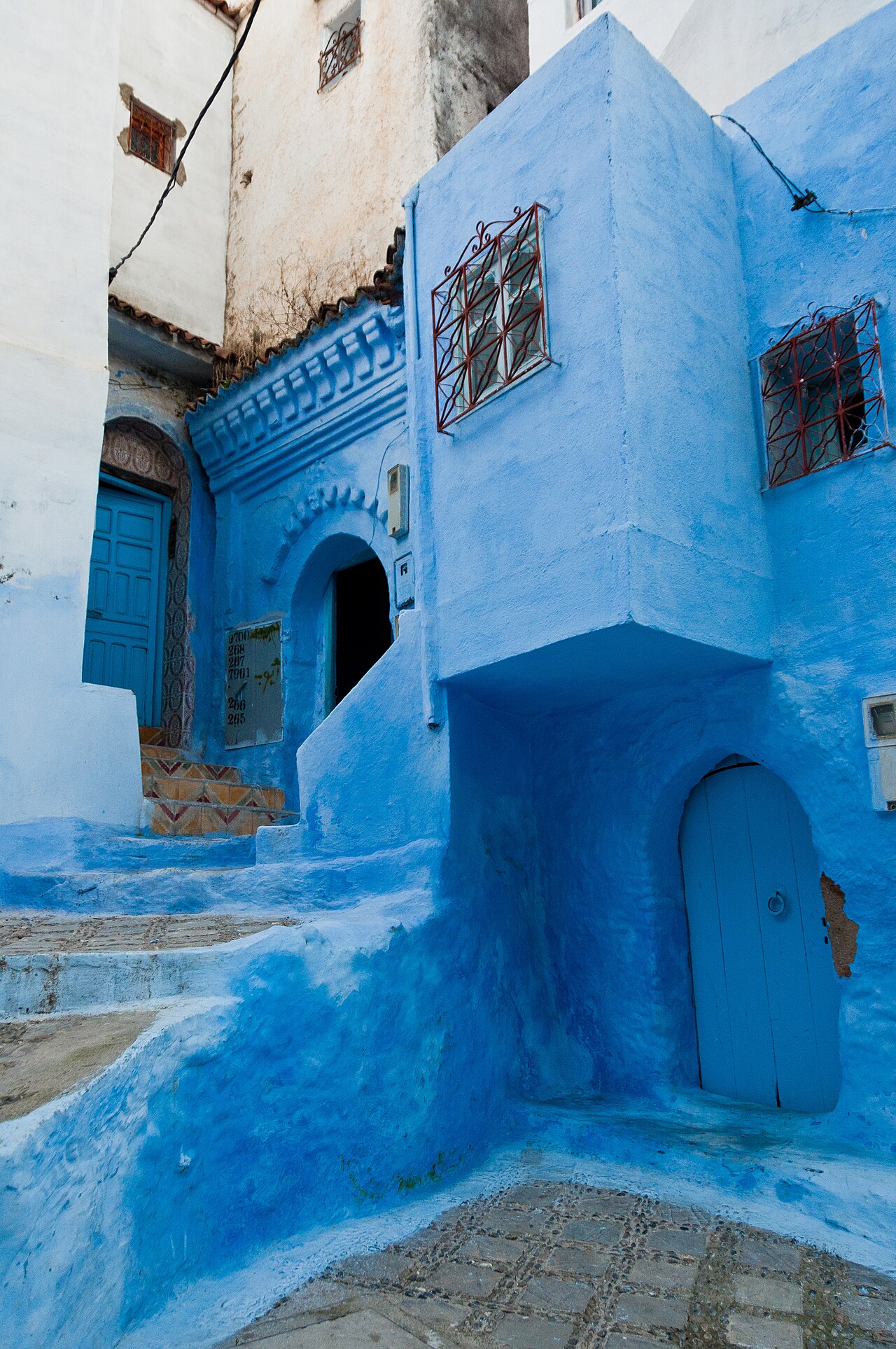
No single story fully explains the blue. The town was founded in 1471, and for centuries it was closed to most outsiders. The signature color came much later. A common account credits Jewish refugees who arrived in the 1930s and painted walls blue as a spiritual symbol.
Other explanations are more practical. Some residents say blue keeps homes cooler in summer. Others say it repels mosquitoes. Whatever the origin, the color is now part of the town's identity, and locals repaint regularly to keep the lanes vivid.
The town also carries layers of history that shaped its look. It fell under Spanish occupation in 1920 and returned to Morocco at independence in 1956. That Spanish period left traces in local food and architecture, which you still notice as you wander.
Where Are the Best Photo Spots in the Medina?
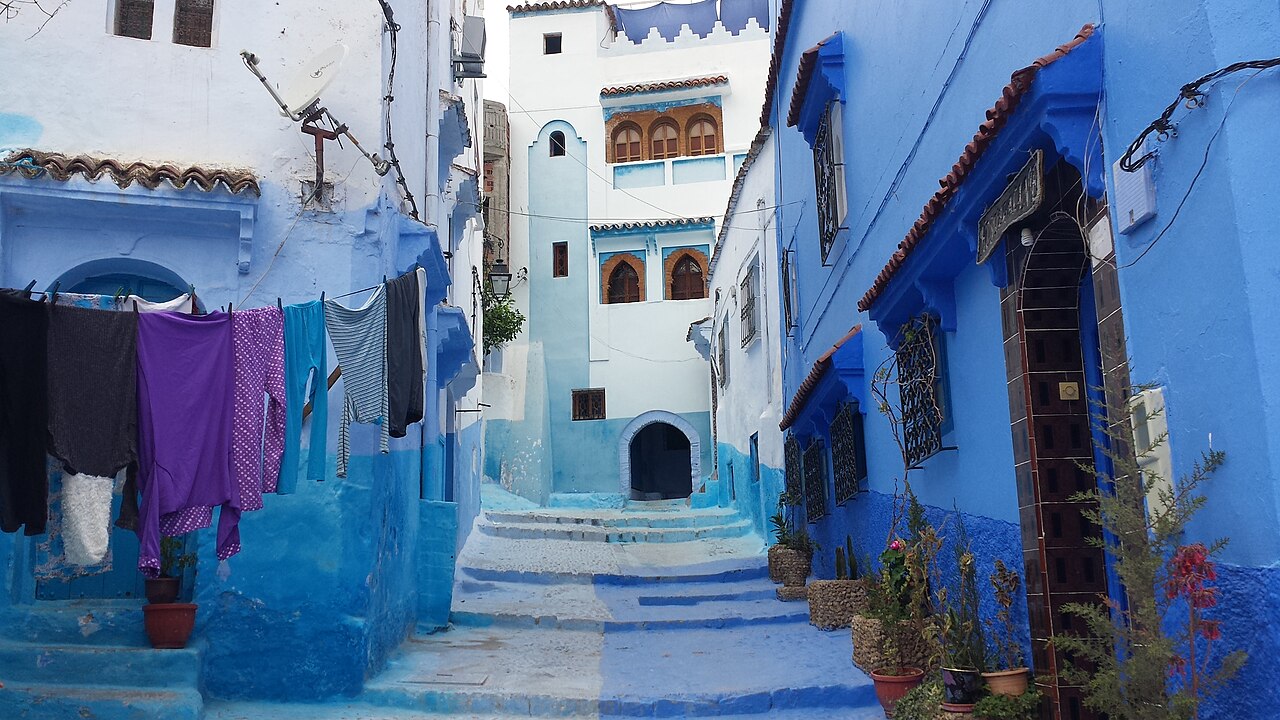
The whole old town is photogenic, but a few corners stand out. The medina is compact and easy to cover on foot, and the blue walls make almost any doorway or stairway worth a frame. Early morning light is softer, and the lanes are nearly empty before the day-trip crowds arrive.
Look for stepped alleys draped with potted plants, carved blue doorways, and the small squares where cats nap on warm stone. Outa el Hammam, the main plaza, frames the red-walled kasbah against the blue backdrop. For a classic shot, climb one of the stairways near the eastern edge of the medina and shoot back down toward the rooftops.
A simple tip: ask before photographing people, and buy something small if you shoot inside a shop. Residents live among the cameras every day, and a little courtesy goes a long way.
Weather also shapes your photos. The blue reads deepest under soft, overcast light or right after rain, when the walls hold a damp sheen. Harsh midday sun flattens the color and throws strong shadows across the narrow lanes. If you only have one morning, start at first light near the upper medina and work downhill as the town wakes up.
What Are the Top Things to Do in Chefchaouen?
The main activity is simply walking the medina, but the setting rewards anyone who looks beyond the lanes. The town sits at the foot of two Rif peaks, so hikes and viewpoints are close. Markets fill the squares with wool, leather, and local crafts.
For views, walk up to the Spanish Mosque on the hillside east of town. The path takes 30 to 40 minutes and pays off at sunset, when the whole blue city glows below. Serious walkers head further into Talassemtane National Park, where trails reach waterfalls and cedar forest.
In the medina itself, browse the souks for handwoven blankets and the goat cheese the region is known for. Chefchaouen is calmer than Marrakech or Fes, so bargaining feels relaxed rather than frantic. If you want a structured route through Morocco's old towns, pairing Chefchaouen with a longer plan gives your trip a strong north-to-south arc.
Where Should You Stay and Eat in the Blue City?
Lodging ranges from simple guesthouses to small boutique riads, and the choice is wide for a town this size. WorldAtlas counts roughly 200 hotels in Chefchaouen, which is a lot of beds for a town of about 42,786 residents.
Staying inside the medina puts you steps from the blue lanes at dawn, before the buses arrive. Rooftop terraces are common, and many serve breakfast with a view over the old town. Rooms near Outa el Hammam square are convenient but can be noisier in the evening.
For food, look for local goat cheese, tagines, and bean dishes that reflect the town's mountain setting and its Spanish past. Cafes around the main square are easy for people-watching, while quieter kitchens down the side streets tend to cook more carefully. Prices are generally gentler here than in the big tourist cities.
How Do You Get to Chefchaouen From Fes or Tangier?
Chefchaouen has no airport and no train station, so you arrive by road. Most travelers drive in from Tangier, which is the nearer gateway, or from Fes, which is the longer haul but a common pairing with the imperial cities. Buses run on both routes, though schedules can eat into your day.
The drive from Tangier is the shorter of the two and climbs steadily into the Rif Mountains. From Fes, the road is longer and winds through hill country, so plan for a half-day in transit. A private driver removes the guesswork, lets you stop for photos, and times your arrival for the quiet late afternoon. If you want help mapping that logistics piece, a private Morocco tour with a local driver handles the pickup, the pace, and the mountain roads for you.
Morocco View Travel builds these transfers into custom itineraries, so Chefchaouen slots neatly between Tangier, Fes, and the destinations further south without you juggling bus timetables.
How Long Should You Spend in Chefchaouen on a Tour?
One to two nights is the sweet spot for most tours. A single full day lets you walk the medina, shoot the blue lanes at two different light windows, and climb to the Spanish Mosque for sunset. That pace feels full but not rushed.
Add a second night if you want a Rif Mountains hike, a slower morning, or time to simply sit on a terrace. Longer than two nights and the compact town starts to repeat itself, unless you are using it as a base for serious trekking. Your timing also depends on the wider season, so it helps to check a season-by-season guide to visiting Morocco before you lock in dates, since the Rif can be cool and wet in winter.
The best plan treats Chefchaouen as a scenic pause, not the whole trip. Slot it into a northern loop, give it its full day, and let the blue city do what it does best: slow you down.
To turn this into a real route, sketch a rough north-to-south path, decide whether Tangier or Fes is your entry point, and ask a local operator like Morocco View Travel to fit Chefchaouen into the drive. That one decision, made early, shapes a smoother trip than any packing list can.
Frequently asked questions
How many days do you need in Chefchaouen?
One to two nights suits most travelers. A single full day covers the medina and a viewpoint. A second night adds a Rif Mountains hike or a slower pace.
What is the best way to get to Chefchaouen?
There is no airport or train station in Chefchaouen, so you arrive by road. Most visitors drive from Tangier or Fes, often with a private driver or on a guided tour.
Why is Chefchaouen painted blue?
Explanations vary, from a Jewish community that arrived in the 1930s to the color's cooling and insect-repelling reputation. Today the blue is maintained mainly for its beauty and its draw for visitors.
Is Chefchaouen worth visiting?
Yes, if you enjoy walkable old towns, photography, and mountain scenery. The blue medina is compact, relaxed, and unlike anywhere else in Morocco.