Morocco destination guide
Tangier
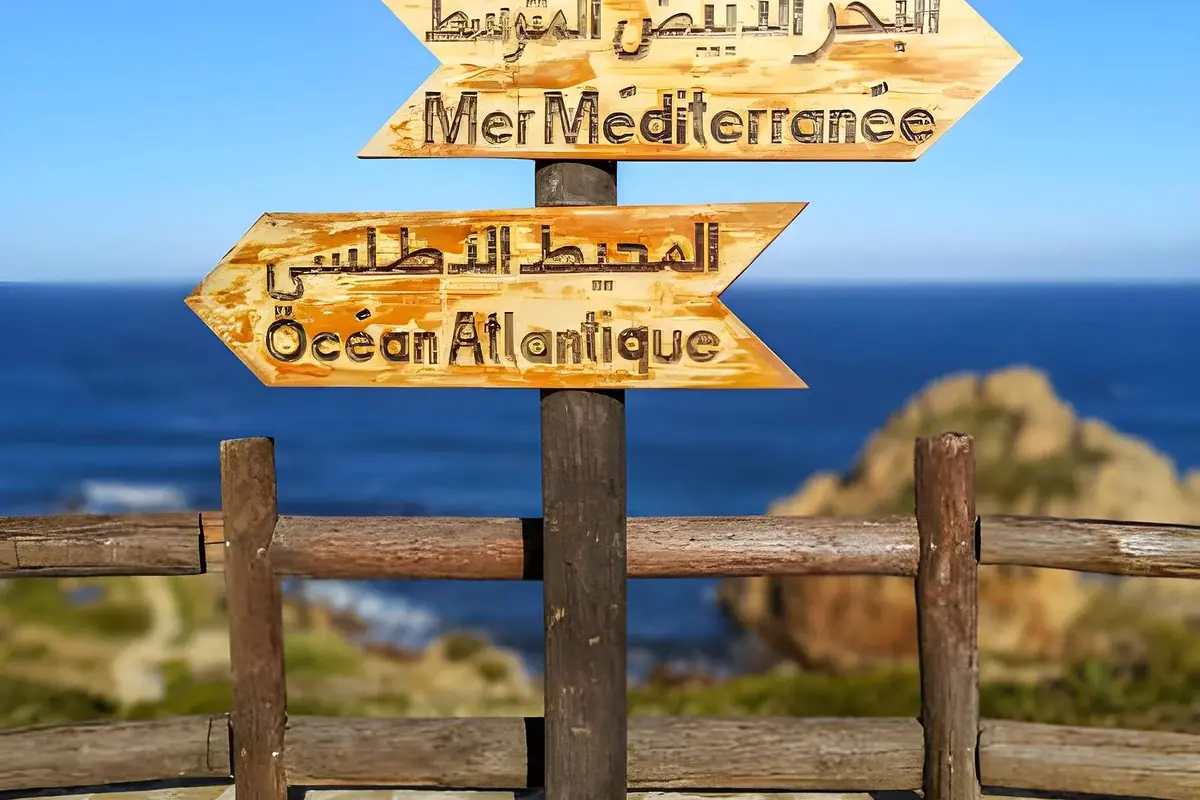
A northern gateway between the Mediterranean and Atlantic
Overview
Tangier
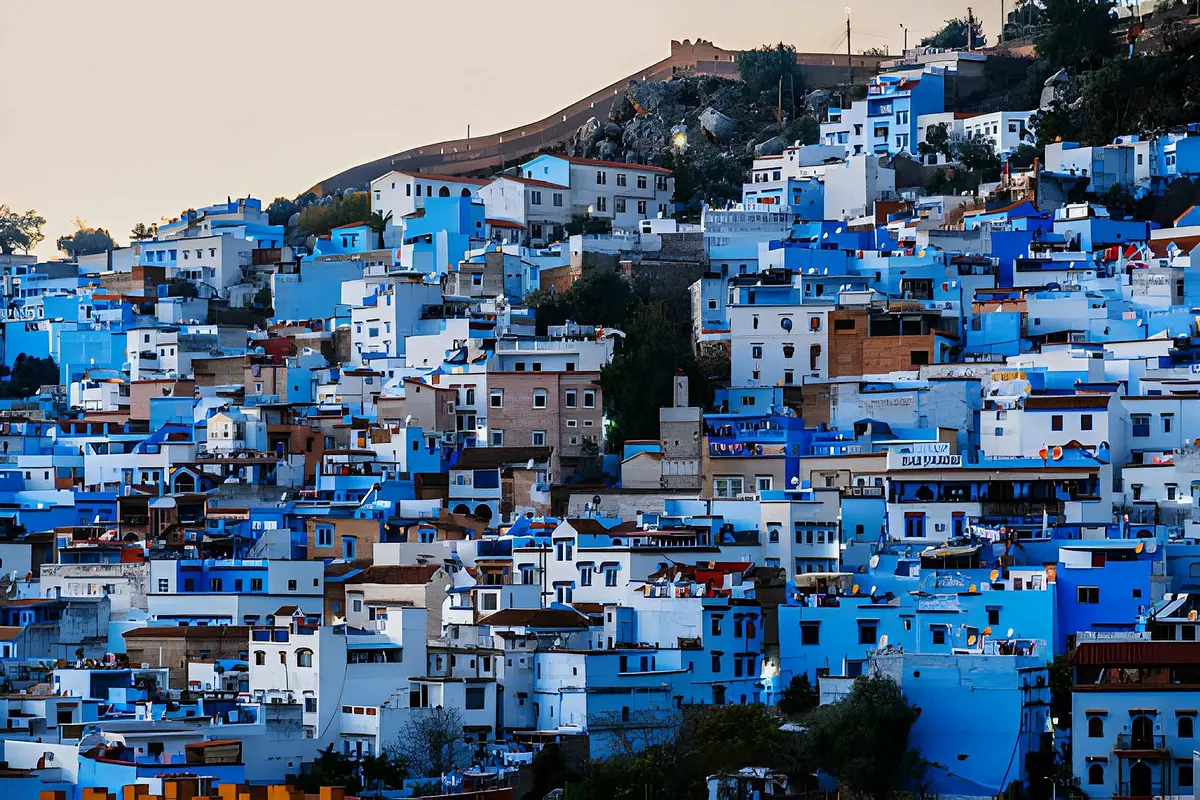
Tangier combines port-city energy, historic quarters and coastal viewpoints. It is a useful starting point for Chefchaouen and northern Morocco, with road and rail connections that can continue toward Rabat, Casablanca and Marrakech.
History and cultural context
History and cultural context
Tangier occupies a strategic position at the Strait of Gibraltar, where Mediterranean and Atlantic routes meet. Ancient Tingis developed through Phoenician, Punic, Mauretanian and Roman periods before the city became part of successive Islamic states. Its harbour and location later attracted Portuguese, English and Moroccan rule.
In the twentieth century Tangier became an international zone administered by several foreign powers, creating a multilingual, cosmopolitan society that attracted diplomats, merchants, artists and writers. The city was reintegrated into Morocco after independence in 1956. Its medina, consular buildings, cafés and modern waterfront still reveal these overlapping African, Mediterranean, Arab, Amazigh and European histories.
Best time to visit
Best time to visit
Spring and autumn bring comfortable city weather. Summer is lively and breezy; winter can be wet, so outdoor viewpoints need flexible timing.
Weather and what to pack
Weather and what to pack
Northern coastal weather is milder, windier and wetter than the Sahara. Pack a light jacket and rain protection outside summer.
Useful planning tips
Useful planning tips
- Keep time for both the medina and the coast.
- Plan Chefchaouen as an overnight stop when possible.
- Check ferry or flight timing before fixing the first day.
Things to see and experience
Things to see and experience
These are the essential places and experiences to prioritise, with enough time to understand the history and local context behind each stop.
Kasbah and Dar el Makhzen
Climb to the fortified upper medina and visit the Kasbah Museum in the former sultan’s palace for archaeology, Moroccan art, courtyards and views over the strait.
Grand Socco and the medina
Start at the lively square beside Mendoubia Gardens, then enter the medina through lanes of food stalls, workshops, mosques, cafés and small historic hotels.
American Legation Museum
Visit the only US National Historic Landmark outside the United States, housed in the old medina and devoted to Moroccan-American relations, art and Tangier’s international history.
Cape Spartel
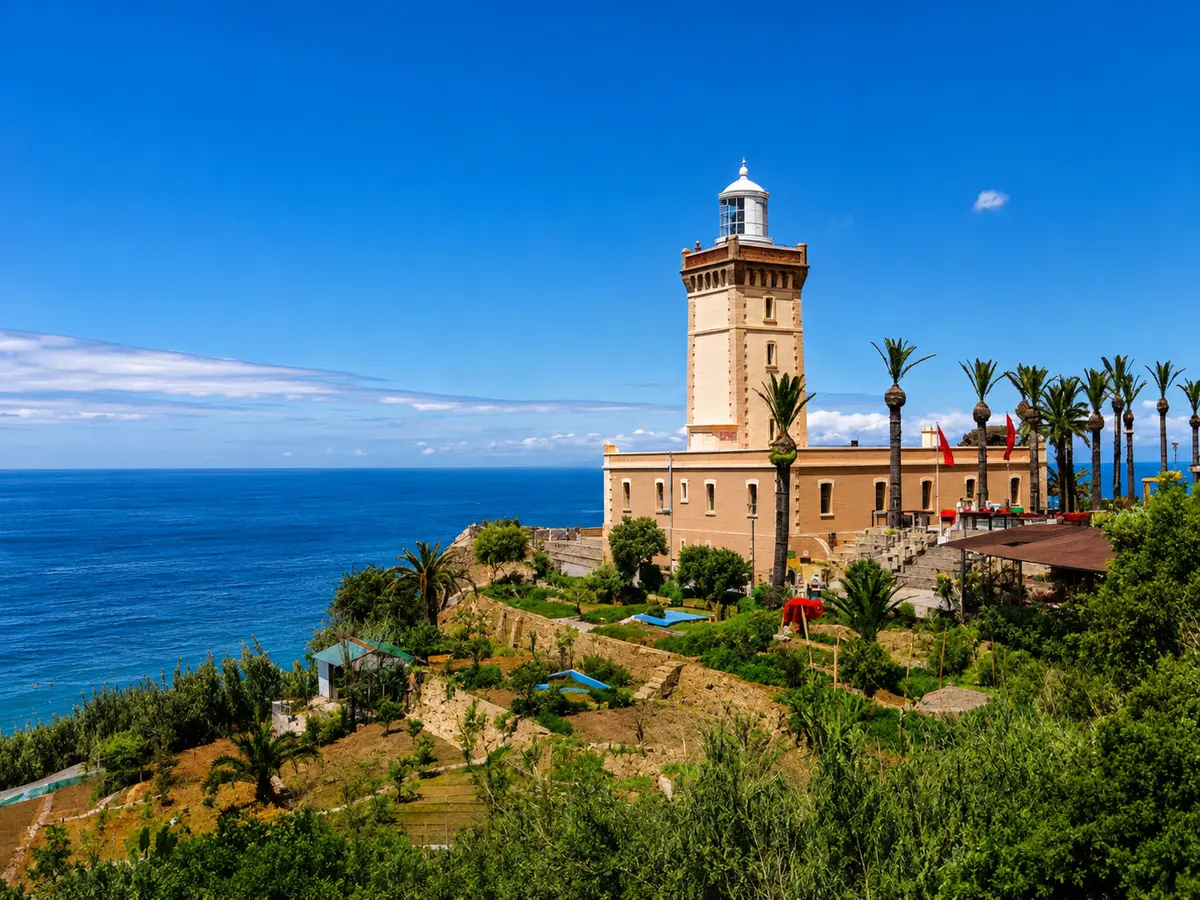
Stand near the north-western tip of Africa where the landscapes of the Atlantic and Strait of Gibraltar meet, with a historic lighthouse and broad coastal viewpoints.
Caves of Hercules
See the sea cave and its famous Atlantic opening southwest of the city. Go outside peak hours and combine the stop with Cape Spartel rather than treating it as a long standalone visit.
Rmilat Forest and Perdicaris Park
Walk shaded coastal paths through the forested park and visit the restored Perdicaris villa for exhibits on the landscape and the unusual 1904 international incident.
Corniche, marina and city beach
Experience modern Tangier along the waterfront, where promenades, the marina and beach connect the port with newer districts and evening city life.
Asilah day trip
Travel south to the smaller walled Atlantic town for whitewashed lanes, murals, ramparts and a relaxed medina, usually best planned as a half- or full-day excursion.
Morocco View Travel
Suggested private tours
These existing routes connect naturally with this destination and can be customized around your dates.