
Key takeaways
- Tagine and couscous are the two dishes every visitor should try first; couscous was added to the UNESCO Intangible Cultural Heritage list in December 2020.
- Street food in the medinas, from grilled brochettes to msemen, offers some of the cheapest and most authentic eating in Morocco.
- Regional cooking shifts from grilled seafood on the Atlantic coast to hearty slow-cooked stews in the desert interior.
- Vegetarians eat well in Morocco thanks to vegetable tagines, lentil and chickpea dishes, and bread-based breakfasts.
- The most authentic meals are often found in family-run restaurants, local markets, and home-cooked experiences arranged through a private tour.
Start with tagine and couscous, then work outward to street food, seafood, and desert stews. This Moroccan food guide walks through the dishes worth seeking out, where to find them, and how to eat well whether you keep to meat, fish, or vegetables. Moroccan cooking leans on slow heat, warm spice, and preserved ingredients, so the flavors are deep rather than fiery. Knowing what to eat in Morocco before you arrive turns a good trip into a memorable one.
Food is also a bigger part of the visit than many travelers expect. Morocco welcomed 17.4 million tourists in 2024, a 20 percent increase over the year before (Maroc.ma, 2025), and shared meals remain one of the clearest windows into local life.
Tagine, Couscous, and the National Staples
Tagine and couscous anchor almost every Moroccan menu, and couscous carries official cultural weight: it was inscribed on the UNESCO Intangible Cultural Heritage list in December 2020 as a joint submission by Morocco, Algeria, Tunisia, and Mauritania (UNESCO via Al Jazeera, 2020). Both dishes reward a slow pace.
Tagine takes its name from the conical clay pot it cooks in. The lid traps steam, so meat, vegetables, and dried fruit turn tender over low heat. Common versions include chicken with preserved lemon and olives, lamb with prunes and almonds, and kefta with eggs cracked over spiced meatballs.
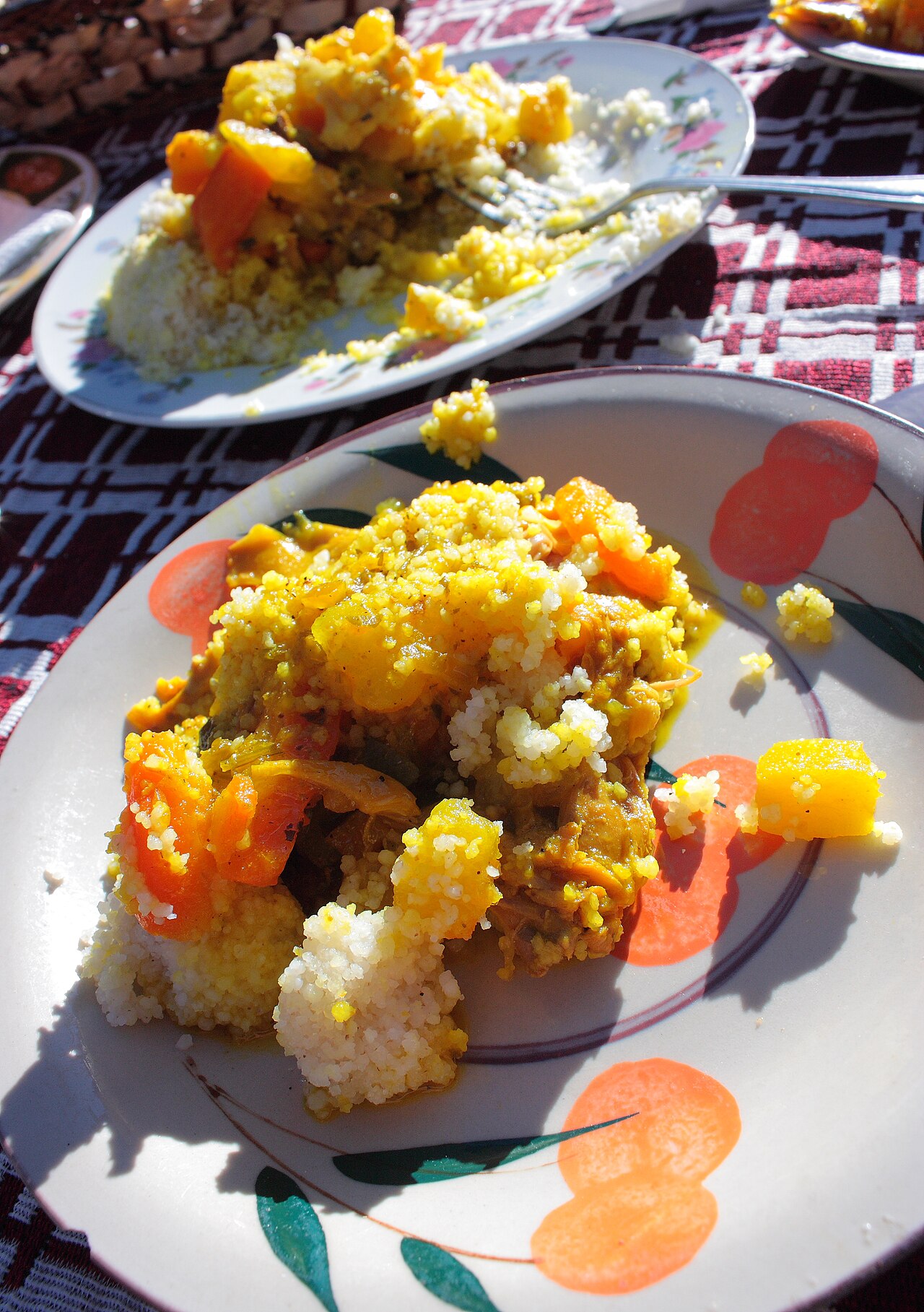
Couscous is the Friday dish. Families gather around a mound of steamed semolina topped with seven vegetables and a ladle of broth. It is eaten slowly and often by hand, rolled into neat balls in older households.
Other staples round out the table. Harira, a tomato, lentil, and chickpea soup, breaks the fast during Ramadan. Bissara, a fava bean puree, warms winter mornings. Round khobz bread accompanies nearly everything and doubles as a utensil.
Street Food Favorites in the Medinas
The medinas are where Morocco eats cheapest and often best. Narrow lanes fill with grills, stalls, and carts that sell single dishes they have perfected over decades. Follow the crowds of local workers rather than the signs aimed at visitors.
Grilled brochettes, small skewers of marinated lamb or chicken, come wrapped in bread with cumin and salt. Snail soup, sold from steaming vats, is a Marrakech favorite believed to settle the stomach. Msemen, a flaky square pancake, is folded around honey for breakfast or cheese for a quick lunch.
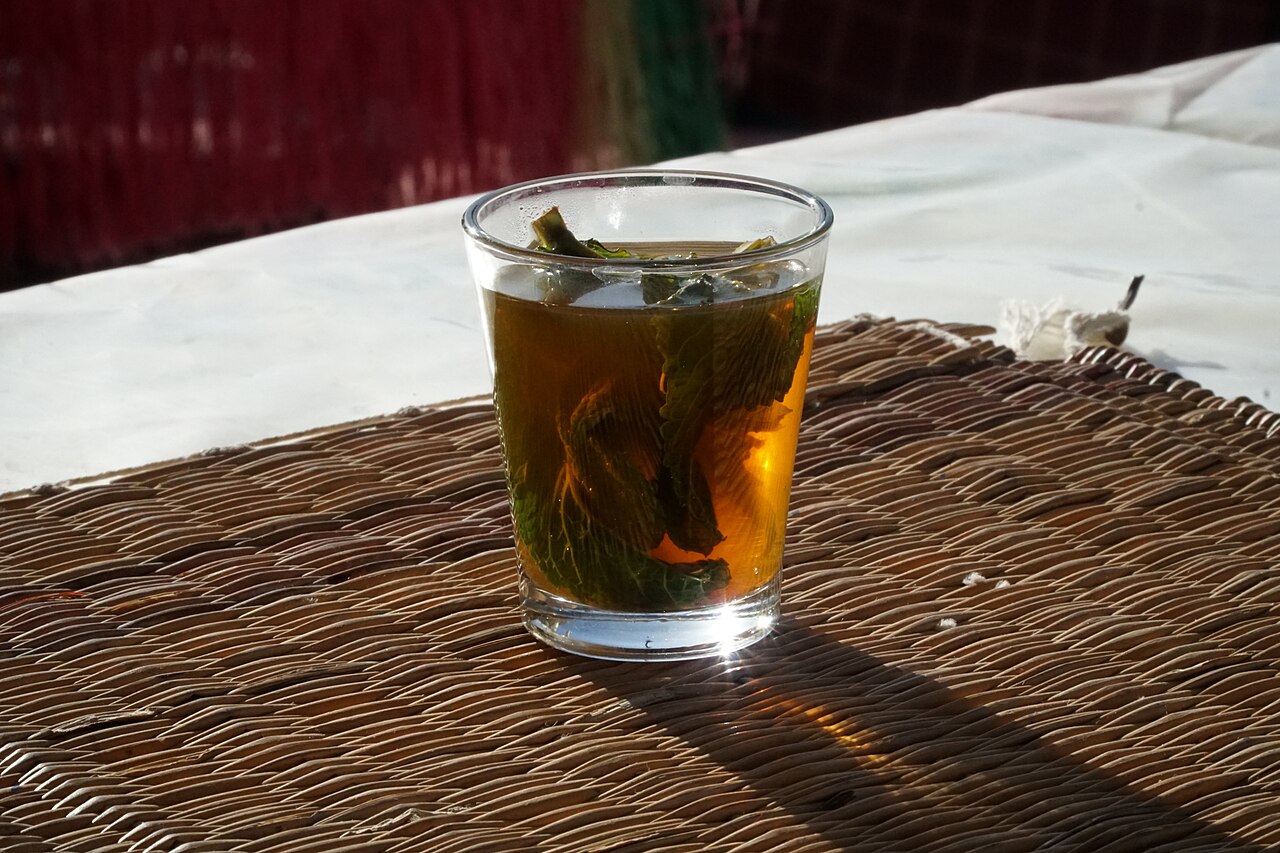
Sfenj, Morocco's answer to the doughnut, fries up crisp and is best eaten warm with mint tea. In Jemaa el-Fna square, evening stalls turn into an open-air food court where you point at what you want and sit at communal benches. For a fuller walk through one of the country's great old cities, our Fes medina guide covers where the food streets sit inside the maze.
Prices stay low. A skewer, a bowl of soup, or a stuffed pancake costs only a few dirhams, which makes grazing across several stalls the smart way to taste widely.
Regional Specialties From Coast to Desert
Moroccan food changes sharply with geography, and that range is part of what to eat in Morocco well. The Atlantic coast leans on seafood, while the interior and desert favor slow, hearty cooking built for cooler nights and long days.
In Essaouira and along the coast, grilled sardines, fried fish, and seafood tagines dominate. Fishermen land the catch in the morning and grills fire up by midday. Spices stay lighter here to let the fish lead.
Inland, Fes and Meknes are known for richer fare. Pastilla, a sweet and savory pie of pigeon or chicken layered with almonds and dusted with cinnamon and sugar, began as a festive dish in these imperial cities. Mechoui, whole slow-roasted lamb, appears at celebrations.
In the south and the desert, Berber tagines cooked over embers, dried dates, and medfouna, a stuffed flatbread sometimes called Berber pizza, suit the dry climate. Argan oil and amlou, a nutty spread of argan, almonds, and honey, come from the southwest.
Vegetarian and Dietary-Friendly Options
Vegetarians eat surprisingly well in Morocco. The cuisine uses vegetables, pulses, and bread heavily, so meat-free meals are easy to find once you know the dish names and ask the right questions about stock.
Vegetable tagines swap meat for carrots, potatoes, zucchini, and chickpeas simmered in the same spiced sauce. Zaalouk, a smoky cooked salad of eggplant and tomato, and taktouka, a pepper and tomato relish, work as starters or light mains. Lentil and chickpea stews are filling and common.
Breakfast is naturally vegetarian. Expect msemen, baghrir semolina pancakes with honey, olives, eggs, and jam, all served with mint tea. Harira can be made without meat, though the standard version often uses a meat base, so it is worth asking.
Travelers with other needs can also manage. Many dishes are naturally gluten-light if you skip the bread and couscous, and nut allergies require care around pastilla and amlou. A clear note to your host or guide usually solves the problem in advance.
Where to Find the Most Authentic Meals
The most authentic food sits away from the main tourist drags. Family-run restaurants, covered markets, and home kitchens serve the versions locals actually eat, usually at a fraction of the price charged on the busiest squares.
Look for places with short, handwritten menus and a dining room full of Moroccan families. Market stalls inside the souks cook a narrow range of dishes well. A riad kitchen or a home-cooked meal, often arranged through a host, shows you how a dish is built from scratch, spice by spice.
A private trip makes this easier, because a local driver and guide know which grill, bakery, or market stall is worth the stop in each town. Morocco View Travel builds these food detours into custom itineraries, so you taste the regional specialties where they belong rather than guessing from a guidebook.
Timing helps too. Markets are freshest in the morning, bakeries sell flatbread hot in the late afternoon, and the big square grills come alive after dark. Planning a loose daily rhythm around those windows pays off.
Food Experiences to Add to Your Itinerary
Beyond single meals, a few experiences deepen the trip. A cooking class in Marrakech or Fes usually starts with a market walk to buy ingredients, then moves to a kitchen where you cook a tagine and couscous yourself. You leave understanding the spice blends rather than just tasting them.
Market tours, mint tea with a local family, and a sunset meal in the dunes all turn eating into a story you carry home. In the desert, a tagine cooked over an open fire under the stars is a highlight for many travelers.
Build these around your route rather than cramming them in. Pair a cooking class with a city stay, a seafood lunch with a coastal drive, and a campfire dinner with a desert night. When the food follows the geography, the whole itinerary makes more sense.
Pick one dish you most want to master, add a single cooking class to your plan near the start of the trip, and let what you learn there shape where you choose to eat for the rest of your journey.
Frequently asked questions
What is the national dish of Morocco?
Tagine and couscous are both considered national dishes. Tagine is a slow-cooked stew named after its conical clay pot, while couscous is traditionally served on Fridays and at family gatherings.
Is Moroccan food good for vegetarians?
Yes. Vegetable tagines, lentil and chickpea stews, zaalouk, and bread-based breakfasts give vegetarians plenty of choice. Ask whether a dish uses meat stock, as some do.
What should I drink with Moroccan food?
Mint tea is the standard accompaniment and gesture of hospitality. Fresh orange juice and almond milk drinks are also common. Alcohol is available but less widespread outside tourist areas.
How much does street food cost in Morocco?
Street food is inexpensive. A plate of grilled brochettes, a bowl of harira soup, or a stuffed msemen typically costs a few dirhams, making medina stalls the most affordable way to eat.
Is it safe to eat street food in Morocco?
Generally yes, if you choose busy stalls with high turnover and food cooked fresh in front of you. Hot, freshly grilled items are the safest. Drink bottled or filtered water.